
“Ideology” with a sledgehammer
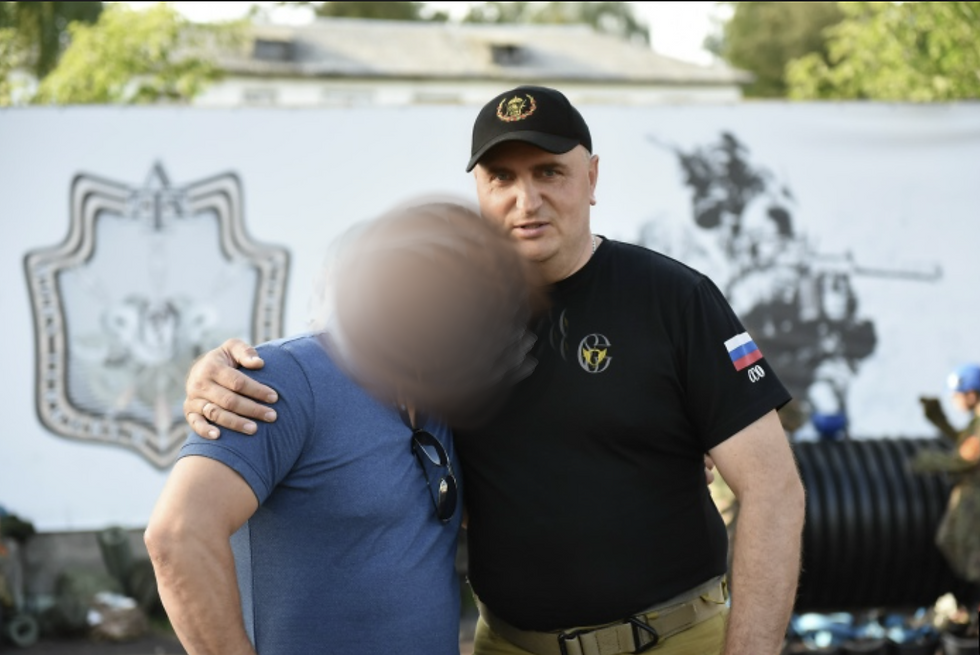
Uladzimir Habrau, founder of the pro-Russian militarist club Skif, works as a specialist in ideological work, social and youth policy at the Rechytsa Department of Technological Transport, which is part of PA Belorusneft. According to Flagshtok, he has held the position since at least September 2025.
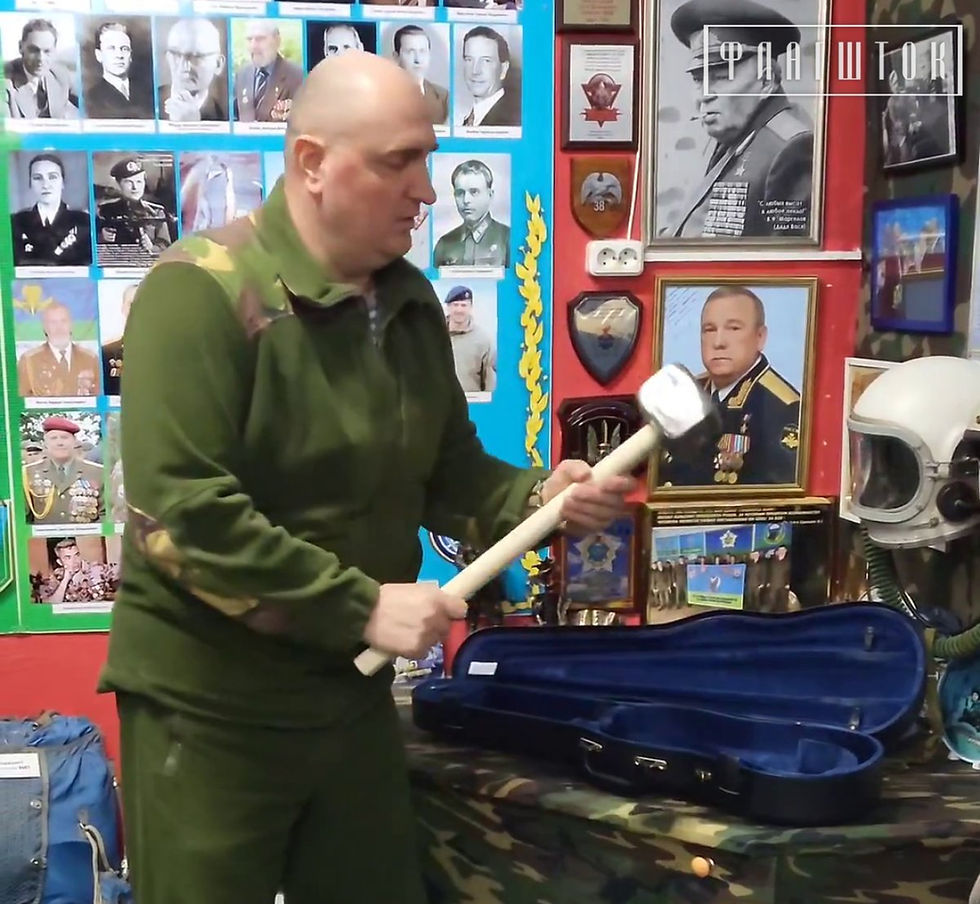
At the same time, for many years he has headed the Skif centre for the special training of pre-conscription youth. Flagshtok also reported that in 2022 Habrau promoted recruitment to the Russian Wagner private military company, while in 2023 he received a sledgehammer bearing Wagner symbols from a representative of the group and made it an exhibit in a museum at the Rechytsa District Gymnasium. The Wagner sledgehammer, it should be recalled, became an unofficial but recognisable symbol of executions and war crimes. Work with ideology and young people is now part of Habrou’s official duties. His profile provides a clear example of what the Belarusian authorities today mean by “ideological work” at enterprises.
The system of ideological officers itself dates back to 2003, when positions for deputy managers responsible for ideological work were introduced at enterprises and state institutions across Belarus. A separate ideological hierarchy within workplaces has therefore existed for more than two decades.
Following the 2020 protests, control over major enterprises became even tighter. Alongside ideological officers, many state organisations introduced deputy management positions responsible for security and personnel. Investigations by independent media have shown that such posts are often filled by former police, KGB and other security service officers.
At Grodno Azot, for example, former transport police chief Dzmitry Habryelchyk became deputy director responsible for social affairs and ideological work, while security-related positions at a number of major enterprises were filled by former KGB and Interior Ministry officers.
At the same time, ideological work is gradually expanding beyond the state sector. Following the adoption of Directive No. 12 in 2025, the authorities required organisations with other forms of ownership to introduce such work as well.
Habrau’s appointment therefore appears not as an isolated episode, but as part of a broader system and the militarisation of Belarusian society.


Comments